

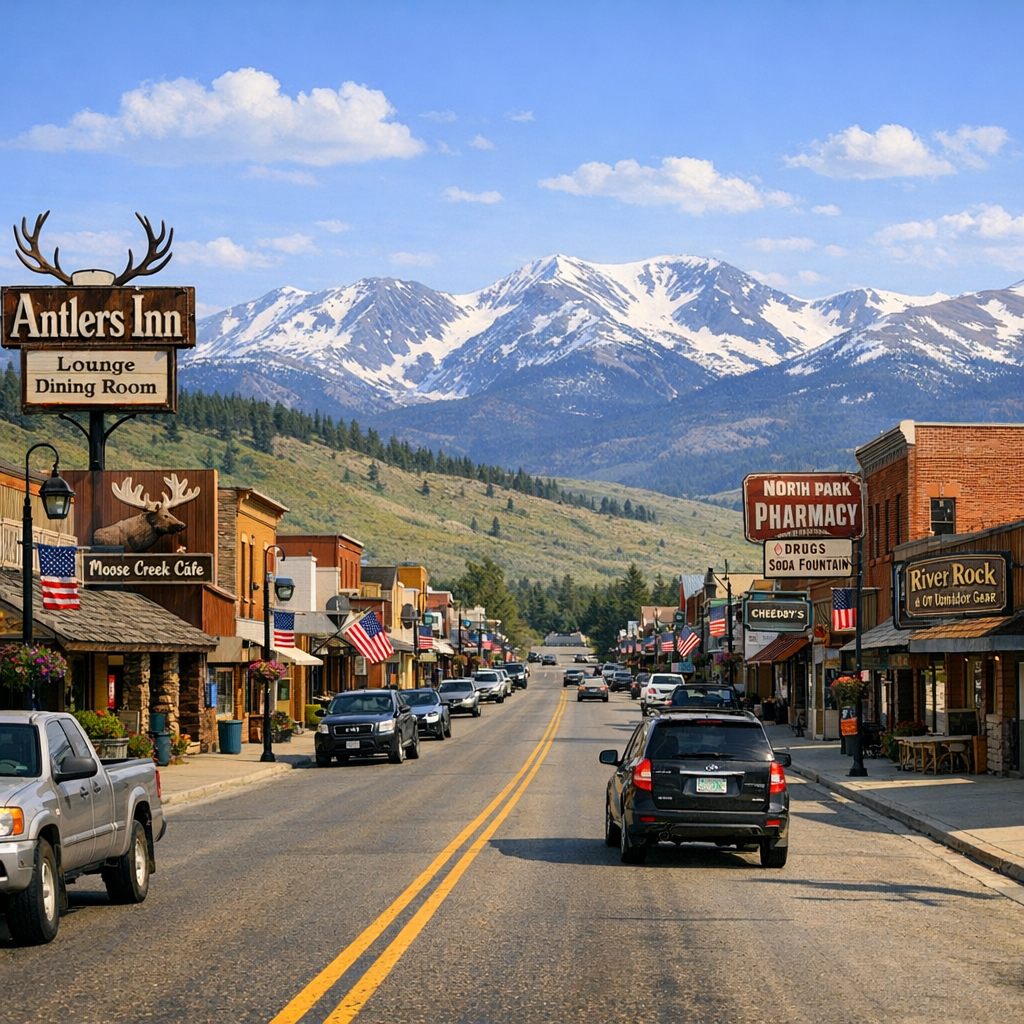
Walden, Colorado, nestled in the heart of North Park, has long been characterized by its resource-dependent economy. Historically, industries such as mining and forest products were the backbone of the local economy. A notable example was the Michigan River Heights Sawmill, later known as the Louisiana-Pacific Mill, which at its peak employed approximately half of the town’s residents. However, the closure of this mill in the 1980s marked a significant economic downturn for Walden.
In recent years, Walden has been transitioning towards a more diversified economic model. The town’s rich natural surroundings have positioned it as a hub for outdoor recreation. Activities like hunting, fishing, and hiking have attracted visitors, contributing to the local economy. The designation of Walden as the “Moose Viewing Capital of Colorado” further underscores its appeal to nature enthusiasts.
Local businesses have adapted to this shift. Establishments such as the Chedsey Motel, built in 1950, have become historical landmarks, offering accommodations to tourists exploring the area. The motel has been meticulously maintained over the years, reflecting the town’s commitment to preserving its heritage while catering to new economic opportunities.
Despite these positive developments, challenges remain. Walden’s remote location means residents often travel to neighboring cities like Steamboat Springs or Laramie for essential services, including groceries and healthcare. The absence of a local pharmacy has led the community to develop innovative solutions, such as crowdsourcing medication deliveries, highlighting the town’s resilience and strong community spirit.
Demographically, Walden is a diverse community. The town’s population includes a significant Hispanic or Latino segment, accounting for approximately 28.72% of residents. This diversity enriches the cultural fabric of the town and presents opportunities for inclusive economic growth.
In summary, Walden’s economic landscape is a blend of its rich historical roots and emerging opportunities. By leveraging its natural assets and fostering local entrepreneurship, the town is navigating the challenges of its remote location and evolving into a vibrant community poised for sustainable growth.