

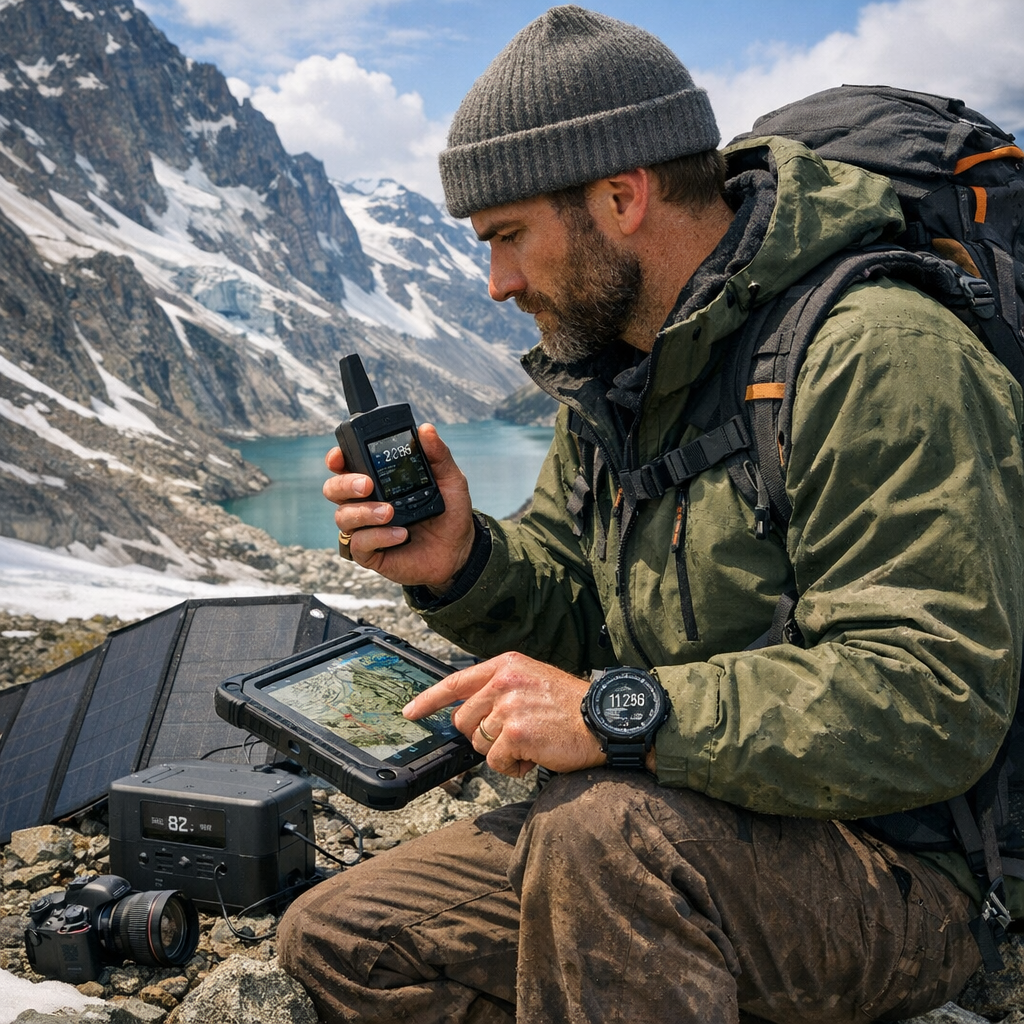
In mountain towns like ours, nestled far from big tech hubs, it’s easy to assume innovation doesn’t reach us—or that it doesn’t apply. In fact, the opposite is happening. Startups across Colorado and advances in AI and rugged gadgets are increasingly relevant for everyday challenges we face: limited connectivity, wild weather, emergency access, and economic opportunity.
AI for Rural Health and Infrastructure
Access to reliable healthcare has long been a struggle in remote areas. Now AI is helping close that gap through tools that support telemedicine, assist in triaging patient needs, and predict health risks using data. These systems allow small clinics to do more with fewer resources and give residents more timely insights for conditions like asthma, diabetes, or seasonal flare-ups.
Another key area is broadband—and not just getting faster internet, but smarter internet. AI is used by broadband providers to identify service outages, predict bandwidth needs, and allocate resources in ways that prioritize critical infrastructure, schools, and emergency centers. That means more consistent and equitable access for people living beyond the nearest fiber line.
Startups Growing in Colorado That Resonate Here
Colorado’s tech ecosystem is rich with small companies developing tools directly useful to rural communities. Some work on AI-powered crops and weather prediction tools to help farmers manage risk. Others build energy storage systems with new battery technologies—important for towns that face frequent power interruptions.
Startups involved in hardware for rugged environments—whether environmental sensors or off-grid power solutions—are especially meaningful. These firms often design for extremes: low temperatures, wide temperature swings, snow, wind, and limited access. The innovations born in those contexts tend to last, and to protect value in mountainside life.
Gadgets That Make Off-Grid Living Easier
Communication Without Cell Service
In town or outside, loss of cell service shouldn’t mean loss of contact. Satellite communicators and mesh-network devices are becoming lighter, more affordable, and simpler to use. A rancher, hiker, or family far from cell towers can now send SOS messages, share GPS location, and stay in touch with nearby users even when there’s no traditional signal.
Smart Tools for Weather and Wilderness Safety
You’ll find gadgets that pack many tools into one: offline topographic maps, weather alerts, altimeters, pressure sensors. One set of gear can now replace several, reducing what you carry and increasing safety. For example, hard-wearing field computers that pull together weather data, terrain mapping, and navigation in one rugged package are gaining attention for use in alpine settings.
Considerations: Cost, Connectivity, and Longevity
Even the best tech won’t help unless it’s affordable, matches our infrastructure, and is built for the long haul. Batteries that fail in freezing conditions, devices with fragile screens, or tools calling home for updates that never arrive—these are common issues in rural life.
It helps to choose equipment with manual fail-safes, offline functionality, and parts that can be serviced locally or replaced easily. And when considering new AI tools, we need privacy, local relevance, and transparency: how do they use our data, who trains the model, and what happens if predictions are wrong?
What You Can Do Locally
Support local innovators. Many rural communities need ideas as much as capital—talk to founders in town, ask what problems they want to solve, and share feedback. Join regional meetups online or in nearby cities where tech folks gather.
When buying gadgets or apps, think “does this work here, now, with what we have?” Search for reviews by other people living in similar terrain or disconnected places. Sometimes spending a little more up front for rugged build or offline mode saves money, time, and frustration down the road.
Living in a place like Walden means we learn resilience every day. The latest in AI, startups, and gadgets aren’t just flashy—they have real potential to make our lives safer, more connected, and more capable of thriving, even when we’re far from big-city infrastructure. It’s about adapting what we use to where we live, and letting new tools rise to meet the many challenges of mountain life.